
Words by Bailey Ryan
Hermès in Uncharted Waters: Authenticity in the Age of AI
Immediate attention grabbers that fail to translate to longevity- that’s ninety-nine point nine percent of what surrounds audiences online right now. That’s the status quo. That’s how it is now: do or die.
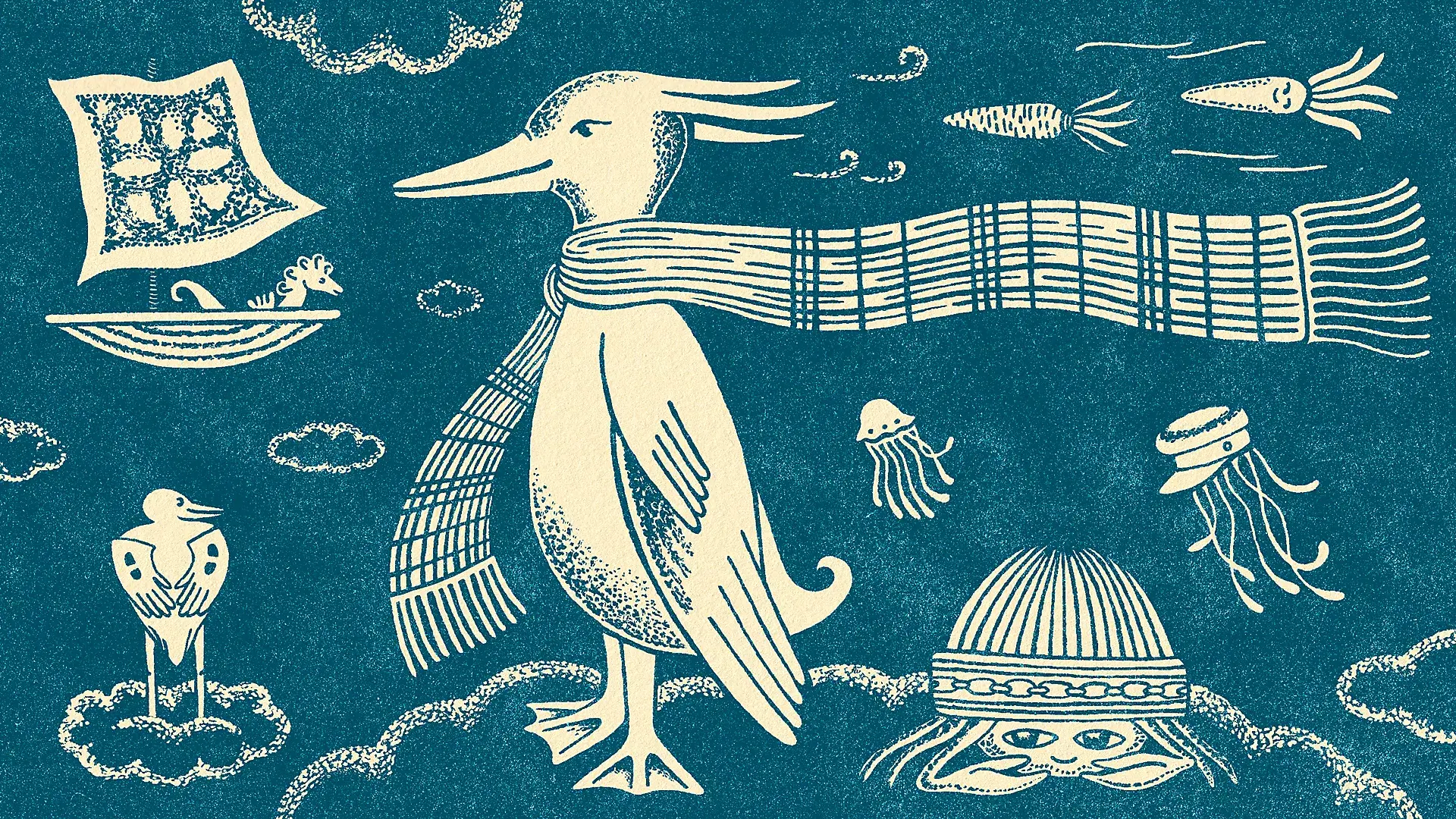
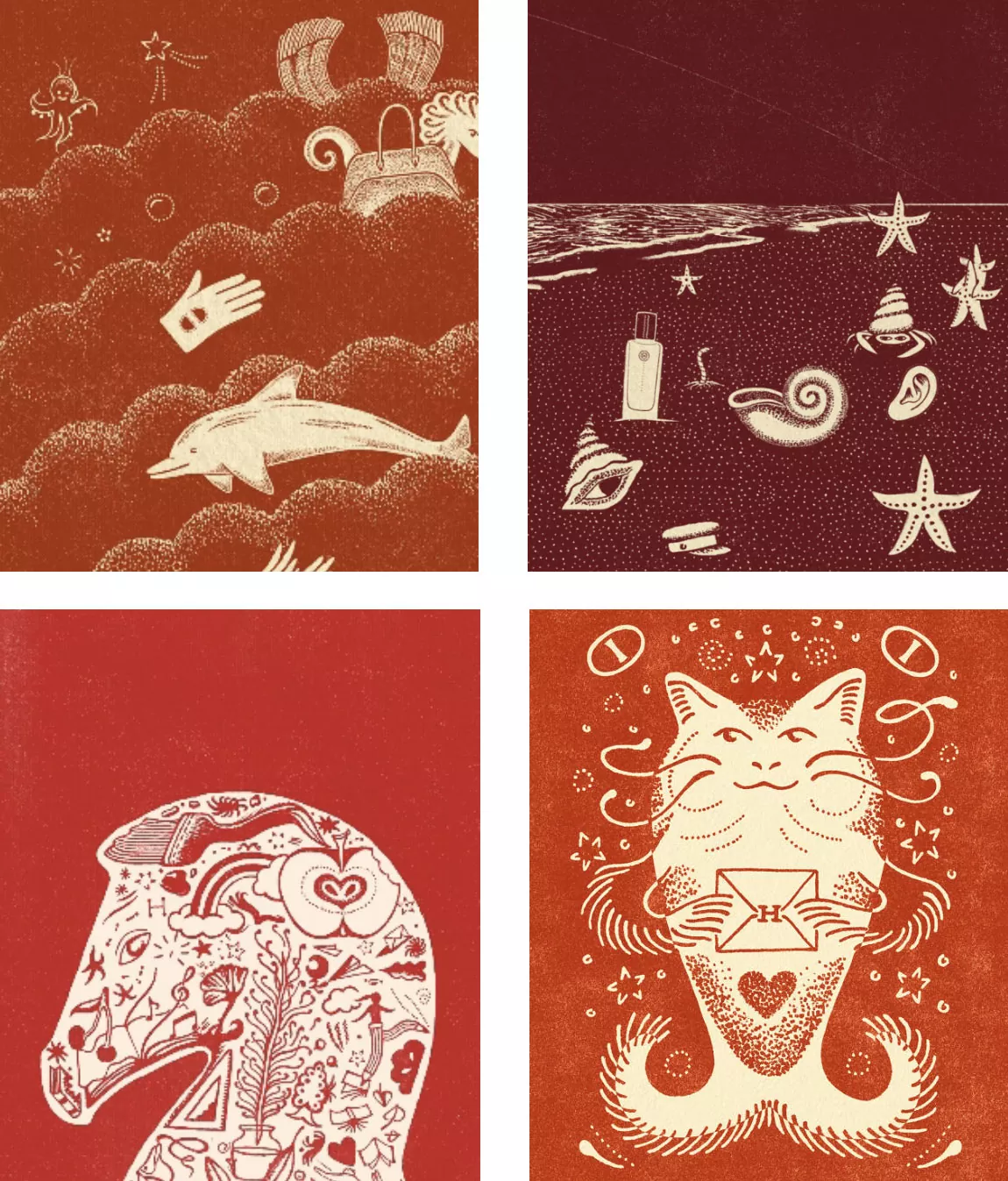
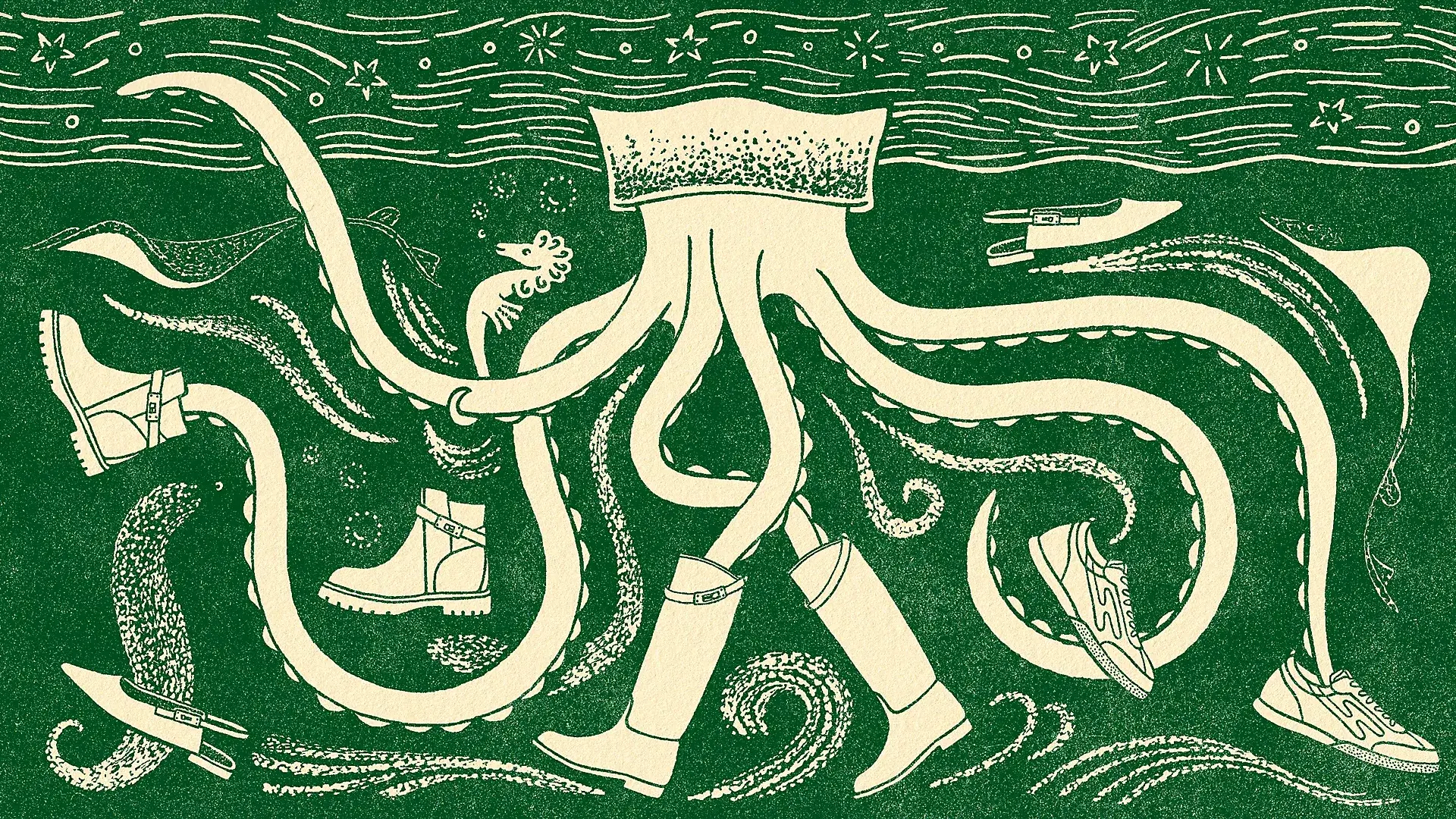
Or don’t. In early January of 2026, Linda Merad’s hand-drawn, nautical world drifted onto Hermès’ website. No flashy banners or wild colors to celebrate the new year; just quiet, intentional design. Simple, nostalgic, and most importantly, human. In a world where brands are clawing for any edge over the competition, Hermès charted a different course.
Not all pioneering ideas push the boundaries of what’s possible. Sometimes, intentional design and a human-centered approach go further than automated, AI-integrated, algorithmically-optimized brand strategy ever could. Take a look at Hermès. Since 1987, the brand has anchored its products and aesthetic in an evolving annual theme, first with “Fireworks,” in celebration of its 150th anniversary, and most recently in “Venture Beyond,” a call to adventure.
L’appel du Large, a Call to the Sea
Hermès’ 2026 theme is notable due to its grounded nature, nostalgic feel, and complete absence of generative AI. Hand-drawn graphic elements offer something different to audiences; they feel real, textured, and tangible- not only to our eyes but also to our hearts and imaginations. Their imperfections prove authenticity and intention. Time spent, value created the old-fashioned way, the real way. No shortcuts. Period.
This approach, while true to Hermès’ heritage, seems novel and counterculture in today’s world. The human element to their craft isn’t a line in the sand that can be drawn and redrawn as cultures shift and expectations evolve. Their intentionality and adherence to tradition are what set Hermès apart from other luxury and everyday consumer brands alike. Quality, beauty and true emotion take time to cultivate. The trust their clientele has in their products can’t be earned with a clever prompt or kept with flashy pictures. Real credibility is earned with hard work and genuine care.
Enter French illustrator Linda Merad, the artist behind “Venture Beyond.” Her work was seen on the Hermès website in early January of 2026, welcoming a new year centered around exploration. Merad calls it “a dreamlike journey between sky and sea,” or l’appel du large, meaning “a call to the sea” in French. More figuratively, l’appel du large can be interpreted as an irresistible urge for adventure or escape from daily routine. This, perhaps, was the true intention behind the Hermès theme of the year, “Venture Beyond.” A break from expectation, a dive into the unknown, a vacation from our daily pursuit of more-better-best. The absence of artificiality and the presence of human imperfections, true love for a craft unsmothered by modern convenience.
Utilizing this human element, especially now, is a strategic choice. It’s a conscious decision to preserve heritage, to highlight the value of time and intentionality when it comes to building an enduring brand. At first glance, Hermès may seem like a staunch traditionalist, but in today’s market, it might just be a bit of a rebel. And, oh boy, do we like that.
Boats Against the Current
So where do we go from here? How can we follow the course Hermès has bravely charted? First, we have to accept that the best ideas begin and end with humans. Artificial Intelligence, in its current capacity, cannot honestly create anything; it can only replicate what already exists and guess with great accuracy what its user wants to see.
- AI can relay a series of events, but it can’t tell you a story, not like your friends could around a campfire when you were small, vice-grip, sitting on the edge of your stump.
- AI can generate a surreal image in the style of Dali, brushstrokes and all, but it can’t fill that image with any sort of curiosity or wonder.
- AI can curate a playlist of songs from your early days of college, ones that feel like minimum wage, freedom, and the most fun you’ve ever had, but it’ll somehow manage to leave off a few of your favorites. Disappointing.
In other words, AI can do bulk. It can do the grunt work, it can do repetition, but to trust it with true creation is a step too far. AI isn’t going away; it’s a tool that can’t be ignored, but we can choose when and how we use it. Purposeful design doesn’t have to stand directly in opposition to any and all applications of AI. Intelligent designers and creators know when to embrace AI to make their jobs easier; but more importantly, they know when not to. This intuition isn’t a line in the sand, brushed over at will. It’s a dam holding back the tide of convenience, the protector of genuine innovation and creativity.
Today, when so much of what we interact with has been watered down by AI, the human touch is more valuable than ever. It’s the responsibility of artists and creatives, big and small, to restore the value of the human voice. Not that it was ever really lost, it was just misplaced in the shuffle from A(uthenticity) to B(ottom line). But it’s coming back in a big way. Audiences and consumers are demanding more from the brands they love, and labels like Hermès are listening, making waves and taking names as they do.
The future is, and always has been, what we make it. At Glick + Fray, we’re boats against the current. When we launch a website or design a logo, we’re aiming for that tangible realness that sets brands like Hermès apart. We’re not afraid to use AI as an assistant or as a tool that makes us more efficient; however, at our core, we’re creators. We want to innovate; we want to push boundaries. We want to sail into uncharted waters, waves and all.
Brief / Notes
Hermes revamped their website
- “Human element” – no AI
- How we can weave in ai without sacrificing authenticity in the age of AI
- Sticking w the human element in art and written content
Notes
- This lasted Jan 2-15 only, not active on website anymore
- See all lithographic aesthetic designs on artist’s insta: https://www.instagram.com/lindamerad/?hl=en
- To see some of the images: https://bigwalldecor.com/hermes-hand-drawn-website-age-of-ai/?srsltid=AfmBOootDFAX4Oq8yjDsMVfhu_BaqT7_HnYJV4os0DUB-bSASKsR5Df3
- Video for Hermes socials: https://www.youtube.com/shorts/V26SE2kSCN0
- Product seen here: https://www.hermes.com/us/en/product/l-appel-du-large-shawl-140-H244303Sv01/
- “L’appel du large” is a French phrase translating to “the call of the sea” or “the call of the open sea”. It signifies a deep, irresistible urge for adventure, sailing, travel, or to escape from daily routine to the vastness of the ocean. “